3 hr
Atlantic Whale & Dolphin Watching Adventure
- Entry ticket
- Mobile voucher
- Valid same day
- Free cancellation
São Miguel Whale Watching Tour — Marine Biologist–Led Ocean Expeditions
Sperm whales in their Atlantic sanctuary, guided by certified naturalists
Compare fares, pick the fit — all bookings are mobile-voucher and eligible for free cancellation where shown.
3 hr
3 hr
3 hr
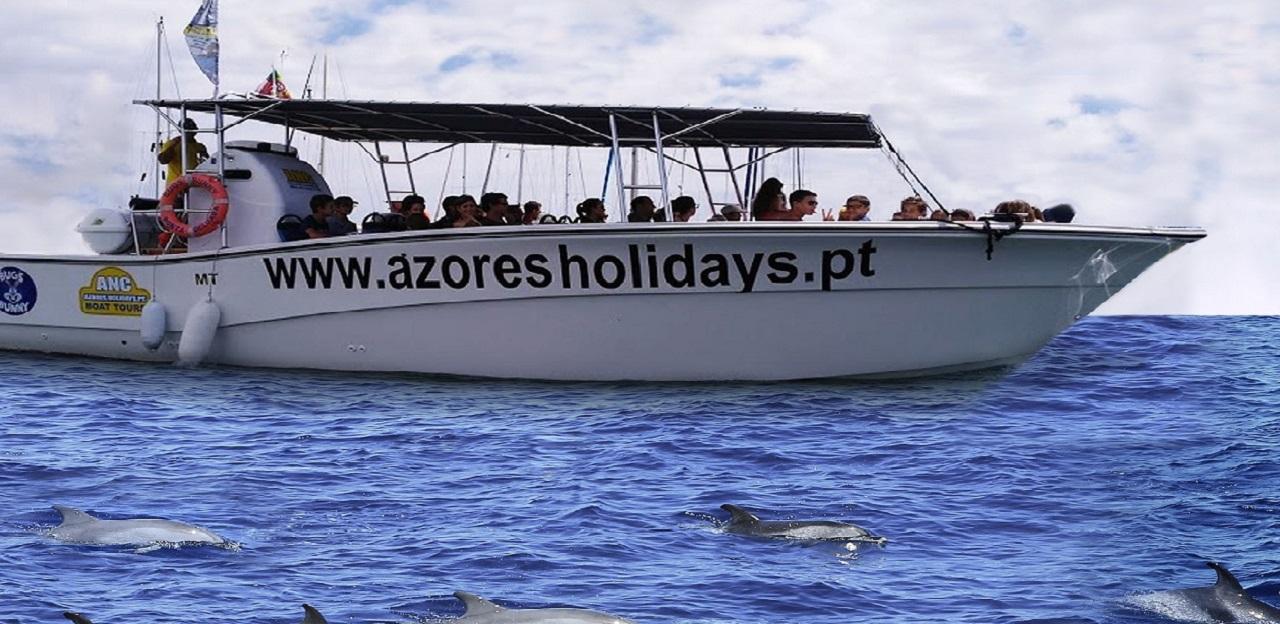
Selecting the right sao miguel whale watching tour depends on your preference for vessel stability versus speed and agility while exploring the Atlantic. These excursions are centered on marine biology, utilizing a network of land-based lookouts to locate cetaceans efficiently.
|
Top pick Standard Catamaran Stable, comfortable vessel |
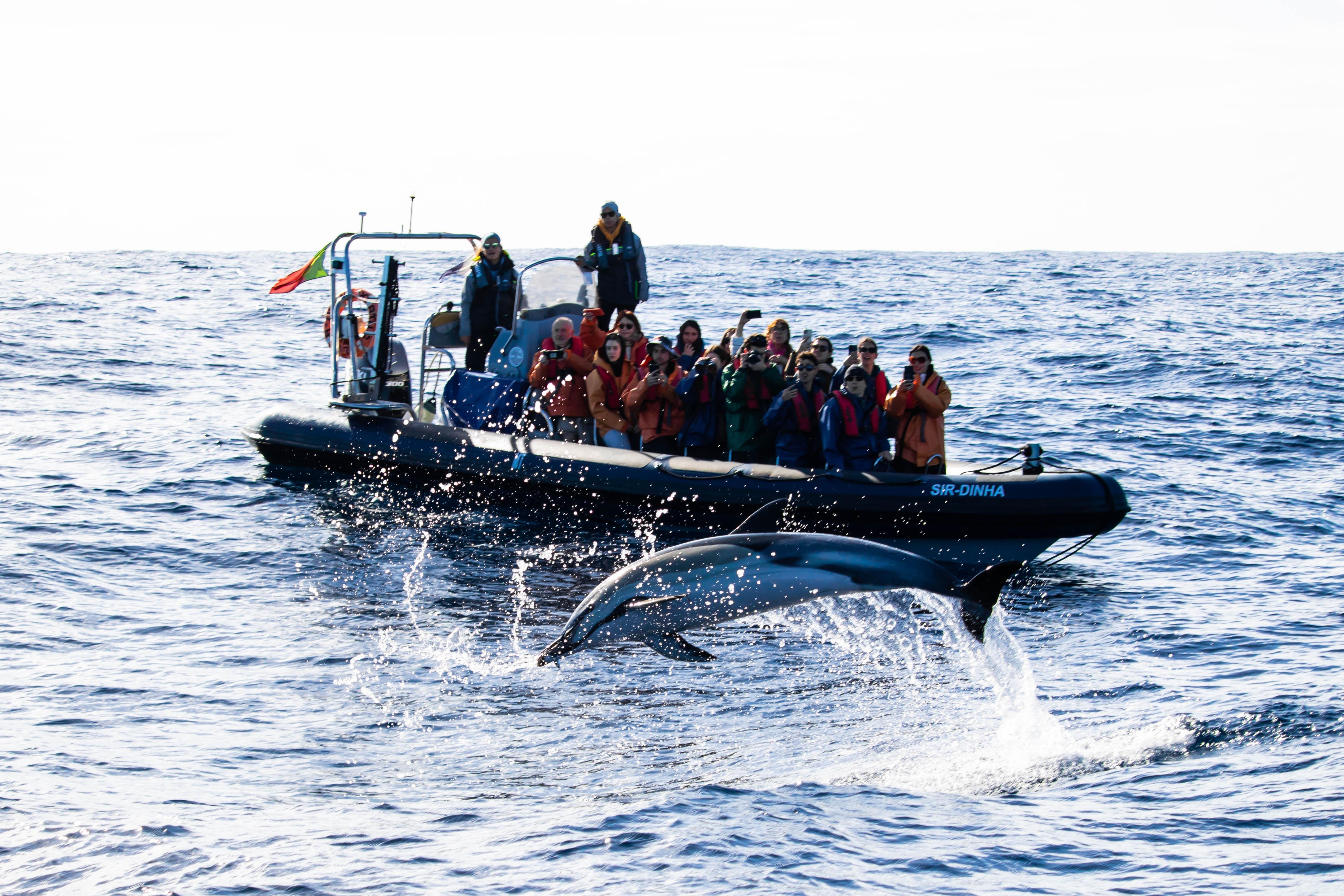
Zodiac RIB Boat Fast, agile, closer to water | |
|---|---|---|
| Vessel Type | Stable multi-hull boat | Fast rigid inflatable boat |
| Best For | Families and comfort seekers | Adventure and photography enthusiasts |
| Visibility | Elevated deck viewing | Low-to-water immersive perspective |
| Seasickness | Reduced motion | Higher sensitivity to waves |
| Inclusions | Marine biologist guide and briefing | Marine biologist guide and briefing |
| See tickets & prices |
Verdict: Choose the catamaran for a steady experience, or opt for a rigid inflatable boat to enjoy a more active sao miguel whale watching tour adventure.
Worth it for marine life enthusiasts
A sao miguel whale watching tour delivers exceptional value through its near-guaranteed cetacean encounters and expert-led ocean expeditions. The Azores sit along major migratory routes, yielding a 95% sighting success rate across 28 recorded species—sperm whales, bottlenose dolphins, and seasonal visitors like blue whales appear year-round. Marine biologists accompany most departures, translating behaviors and ecology in real time rather than offering scripted commentary. Conservation-focused operators prioritize respectful observation distances and fund local research initiatives, meaning your booking directly supports scientific monitoring of these populations. The Atlantic whale and dolphin watching tours range from three-hour coastal circuits to extended sanctuary expeditions, giving flexibility for different schedules and interest levels. Shore-based spotters radio active sightings to boats, minimizing search time and maximizing encounters. For travelers seeking immersive wildlife experiences grounded in science rather than passive sightseeing, whale watching tour tickets justify the cost through educational depth and encounter reliability that few coastal destinations match.
Bottom line: The combination of expert guidance, exceptional sighting rates, and conservation impact makes sao miguel whale watching tour options a solid investment for anyone prioritizing authentic marine encounters over passive coastal excursions.
While a sao miguel whale watching tour offers a broader perspective on marine biodiversity, swimming with dolphins provides a more intimate, immersive encounter. Visitors often choose the former for cetacean observation and the latter for direct interaction in the wild.
|
Top pick Whale Watching |
Swim with Dolphins | |
|---|---|---|
| Primary focus | Marine mammal observation | Direct in-water interaction |
| Vessel type | Zodiac or catamaran | Zodiac boat |
| Required skill | None | Strong swimming ability |
| Observation distance | Varies by maritime law | Proximity to dolphins |
| Physical intensity | Low | Moderate to high |
| Equipment provided | Life vests | Wetsuit and snorkel gear |
| Typical duration | 2.5–3 hours | 2–3 hours |
| Booking availability | 08:00–19:00 | 08:00–19:00 |
| See tickets & prices |
Verdict: Choose the whale watching tours if you prefer observing pods from the boat, or opt for the dolphin swim if you want to purchase sao miguel whale watching tour tickets for an active, in-water experience.
Hand-picked experiences loved by thousands of travelers
3 hours
Free Cancellation
Venture into Atlantic waters to observe sperm whales in their natural protected environment
3.5 hours
Free Cancellation
Sail the Atlantic to observe majestic cetaceans with expert marine biologists aboard a catamaran or zodiac
3 hours
Free Cancellation
Three-hour Atlantic expedition searching for dolphins and whales among 25+ species inhabiting Azorean waters
8 hours
Free Cancellation
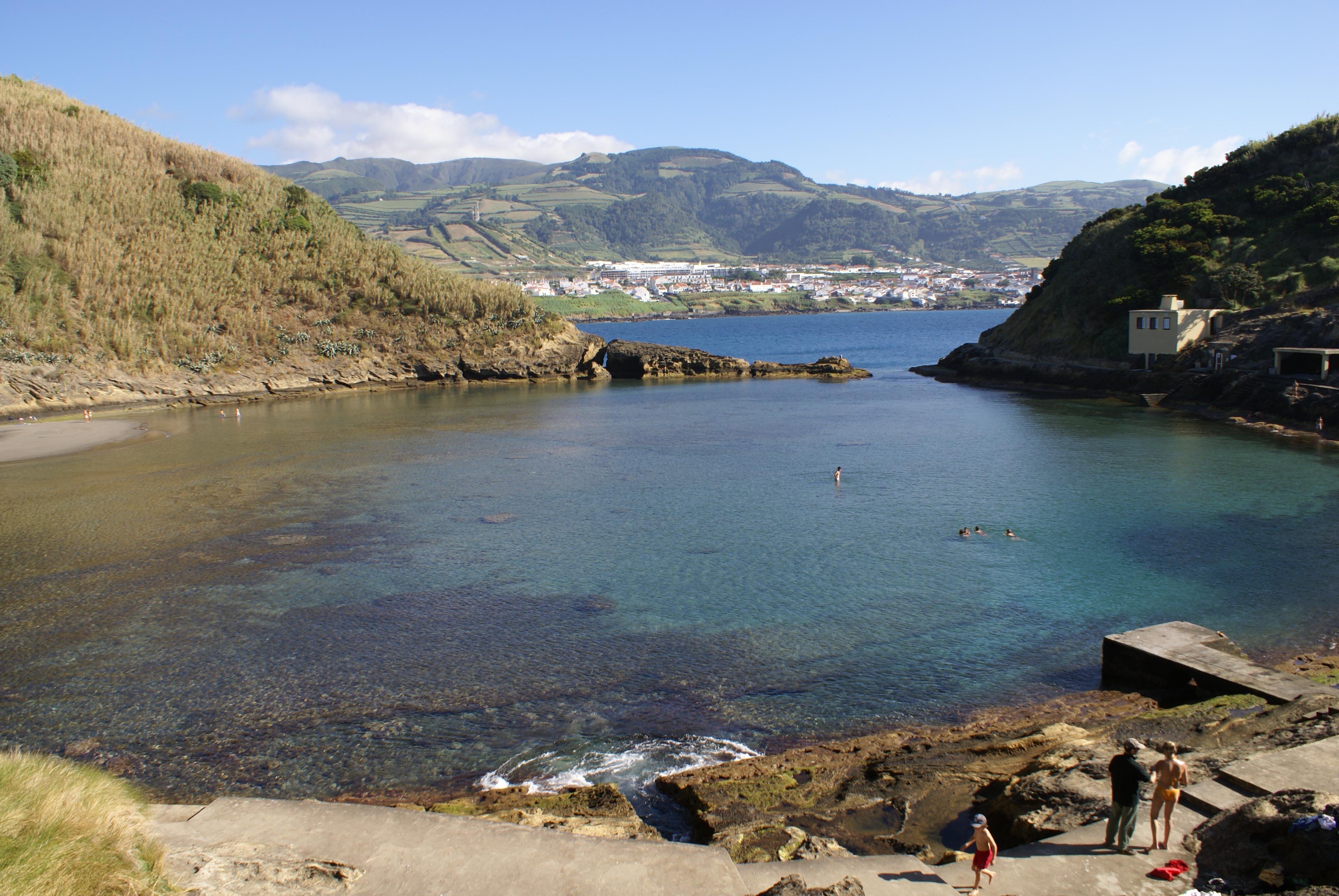
Full-day ocean expedition combining cetacean encounters with marine experts and swimming in a volcanic crater lagoon
8 hours
Free Cancellation
Encounter ocean wildlife and swim in a volcanic crater lagoon on this full-day Azorean adventure
2.5 hours
Free Cancellation
Dive into the Atlantic and encounter dolphins in their ocean home off São Miguel's stunning shores.
6 hours
Free Cancellation
Observe whales from a fast boat, then snorkel with wild dolphins in their natural environment
2 hours
Free Cancellation
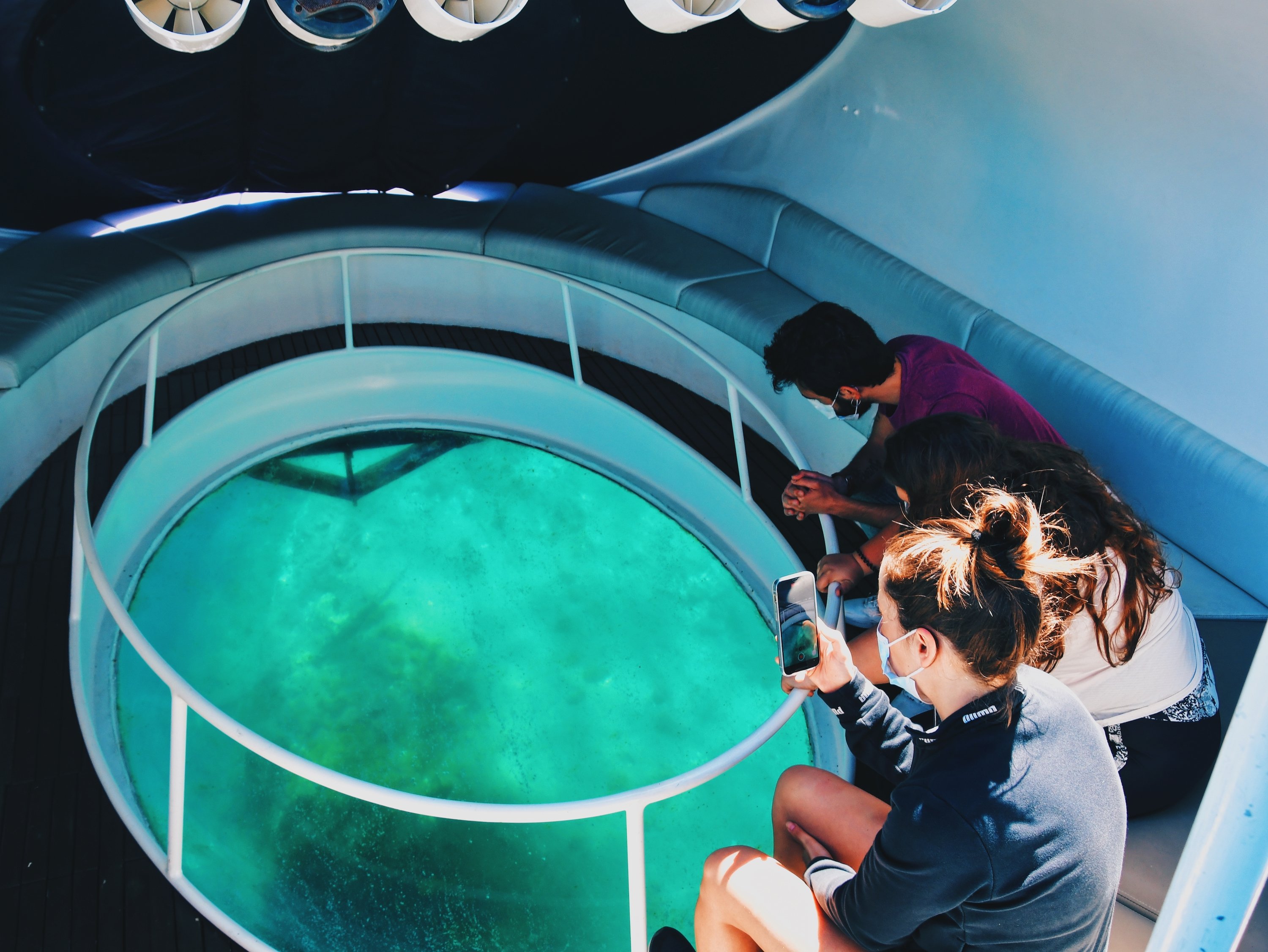
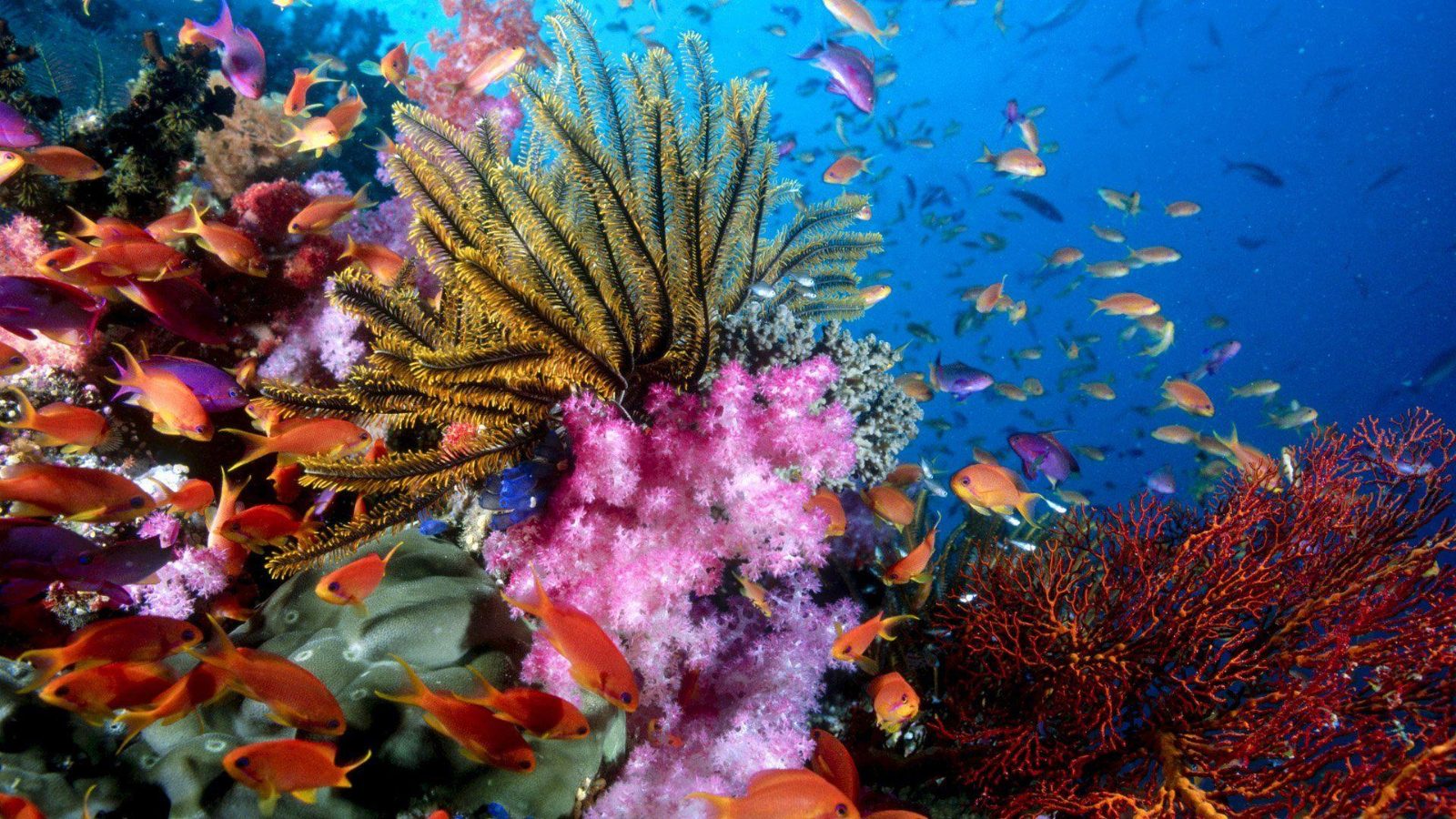
Explore underwater volcanic wonders through a glass hull, then dive in to snorkel with Atlantic marine life
Check in at the marina office for your sao miguel whale watching tour
Safety instructions and cetacean identification lecture
Guided observation of marine life in Atlantic waters
The central hub for all maritime activity and vessel departures in the region.
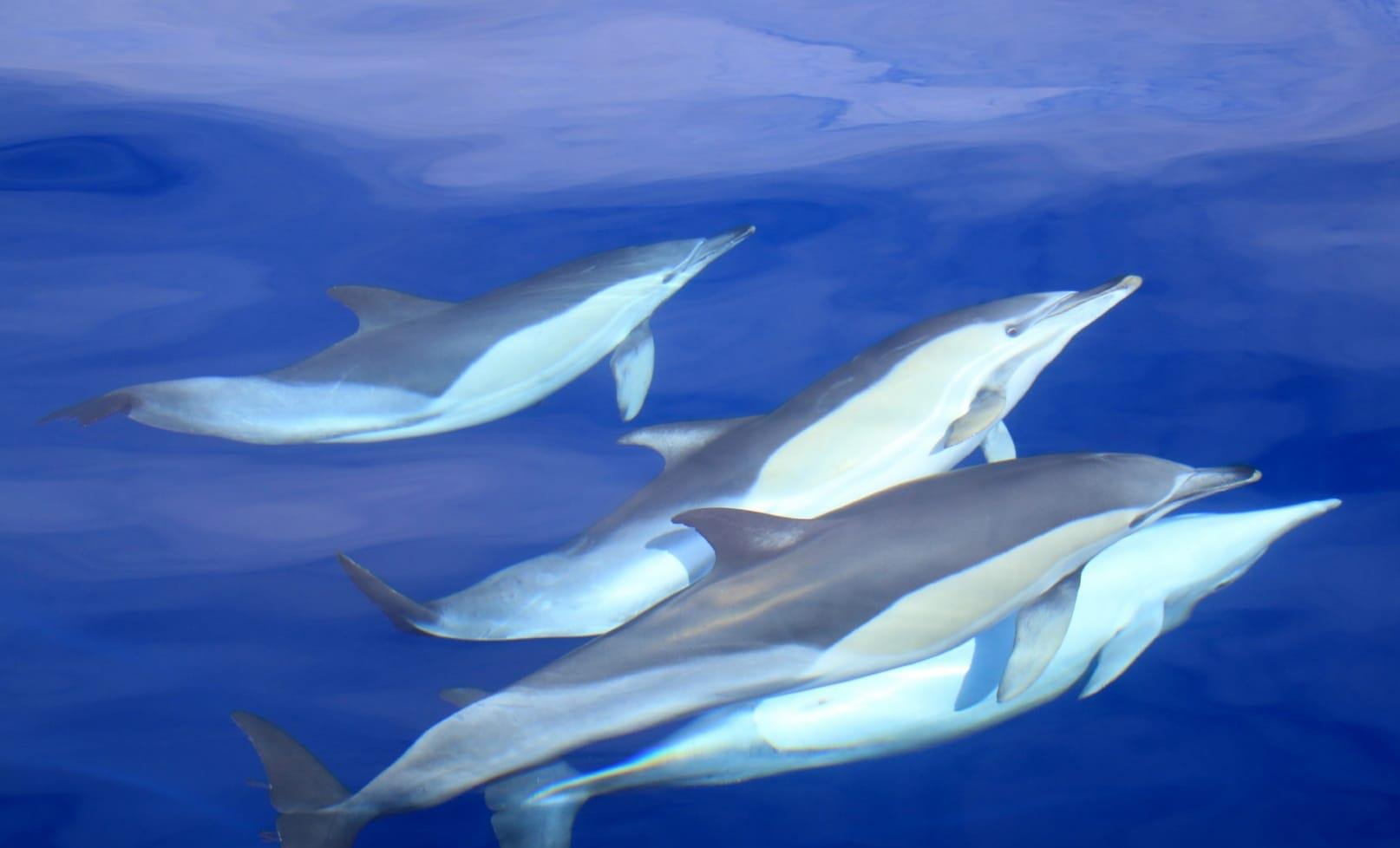
Home to diverse cetacean species including sperm whales and various dolphins.
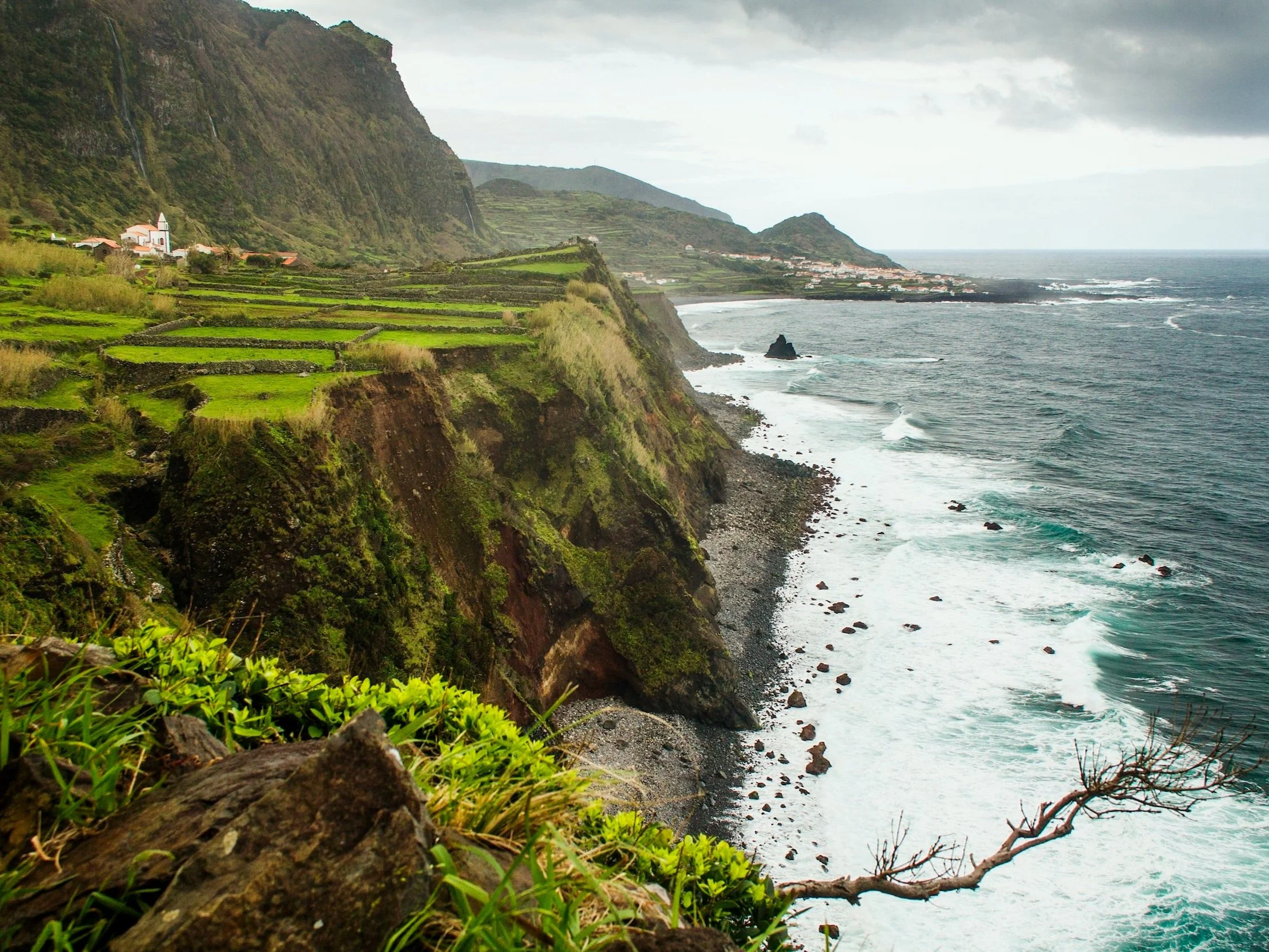
View the volcanic topography of São Miguel from the perspective of the ocean.
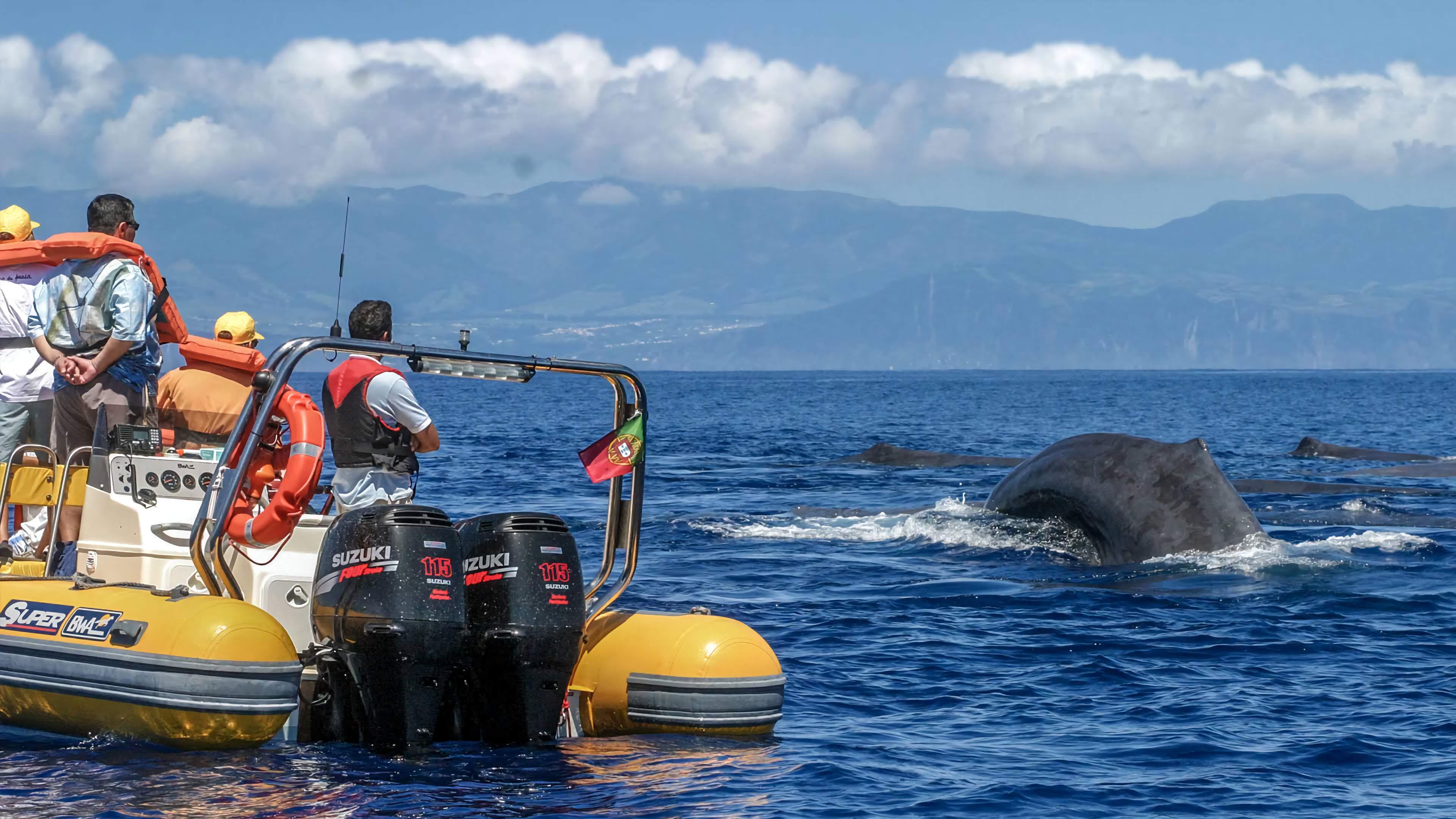
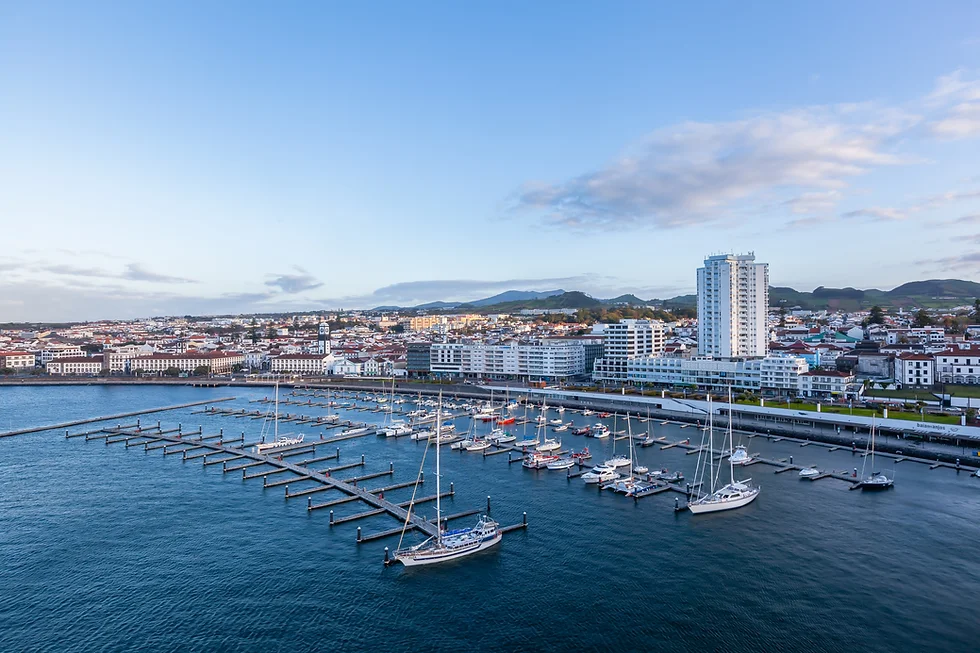
You board from Marina de Ponta Delgada's floating docks at 08:30, stepping onto a rigid-hulled inflatable that seats twelve. The marine biologist distributes waterproof jackets and briefs the group on hand signals for sightings.
Within ten minutes the boat clears the harbour breakwater and accelerates south, engine noise rising as the coastline recedes. You scan the horizon while the spotter's voice crackles over the radio, relaying coordinates in Portuguese.
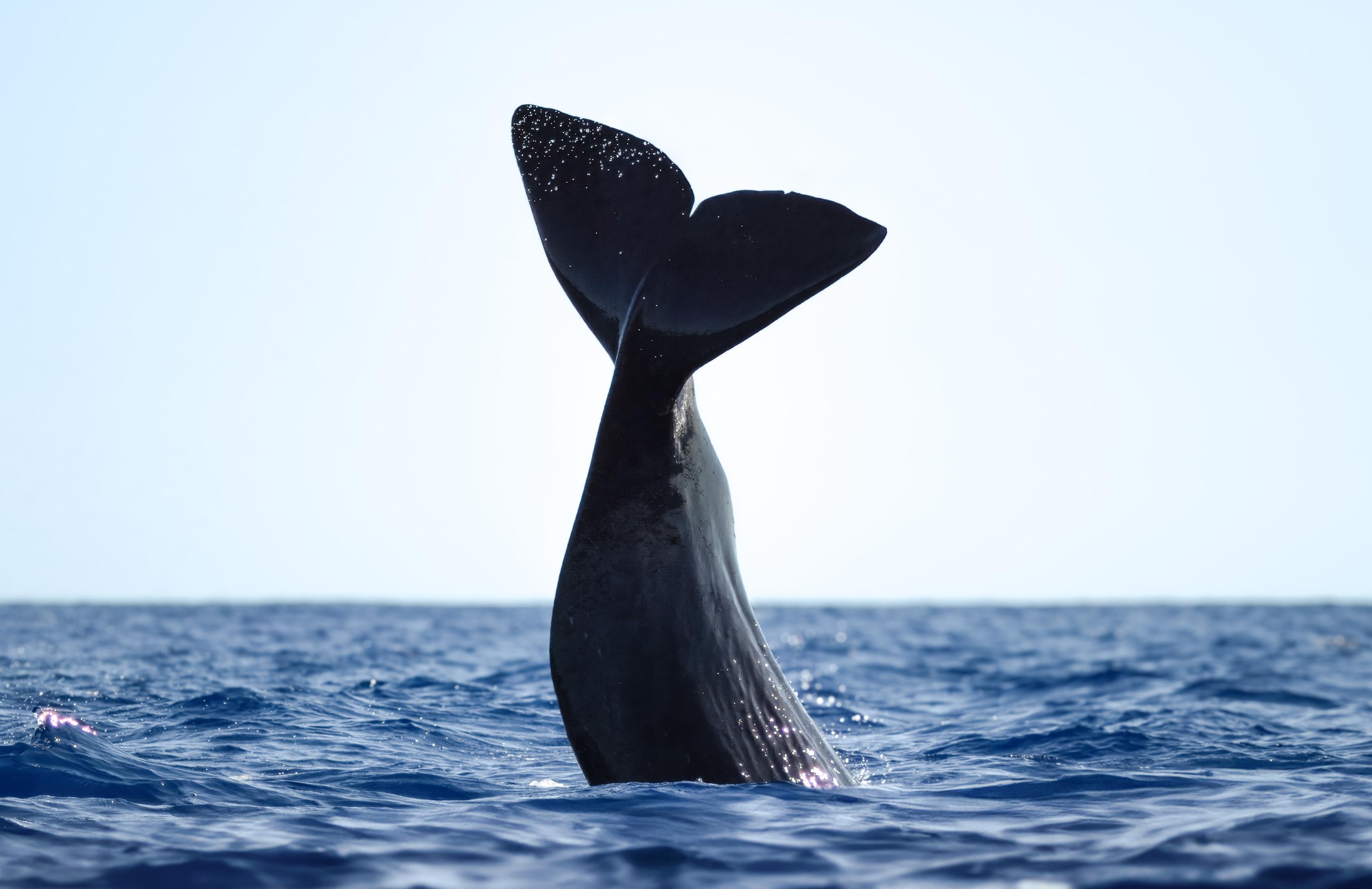
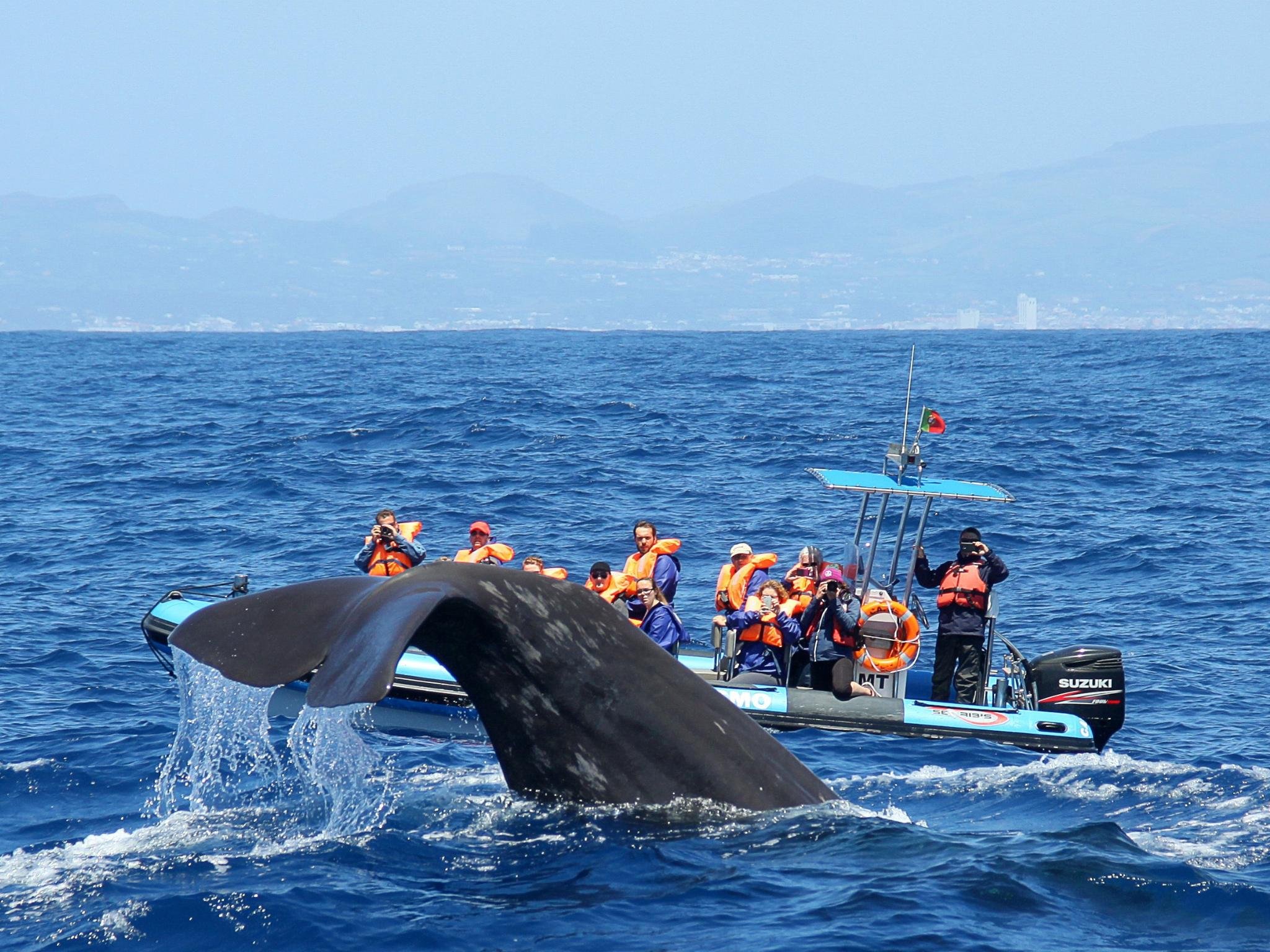
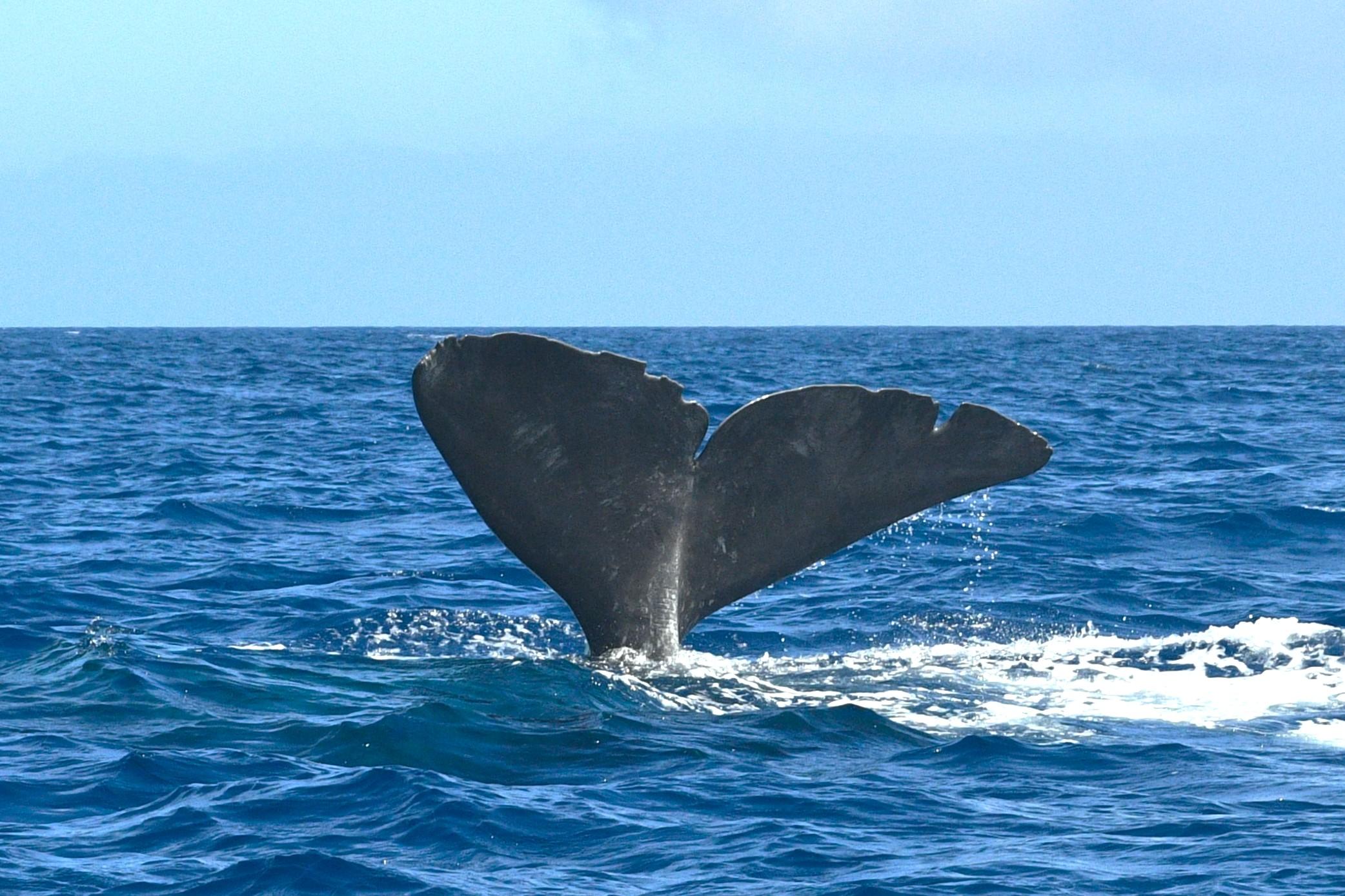
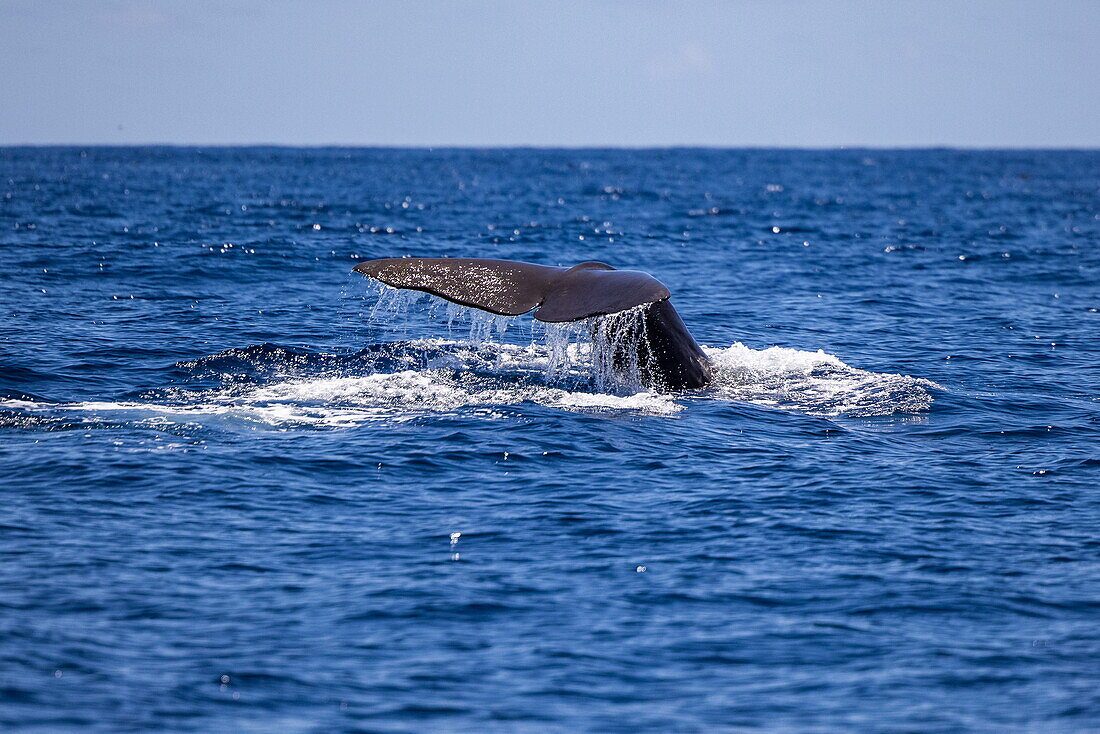
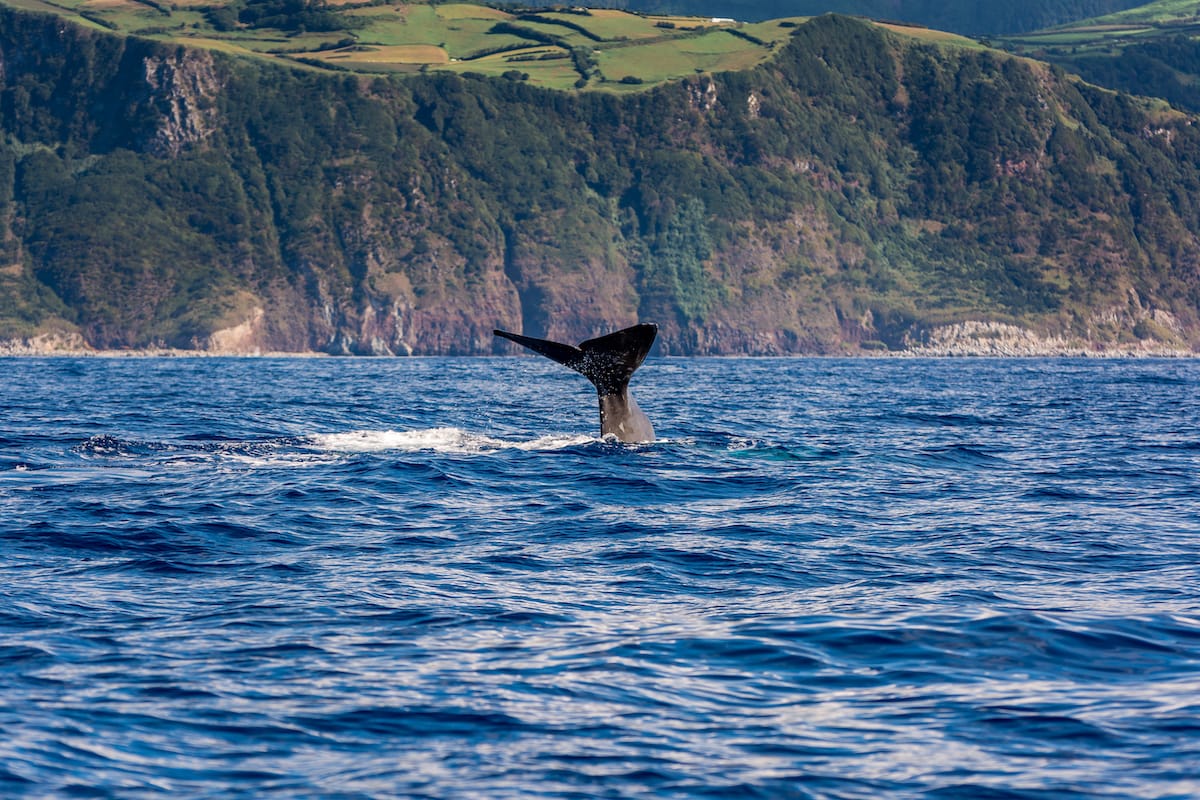
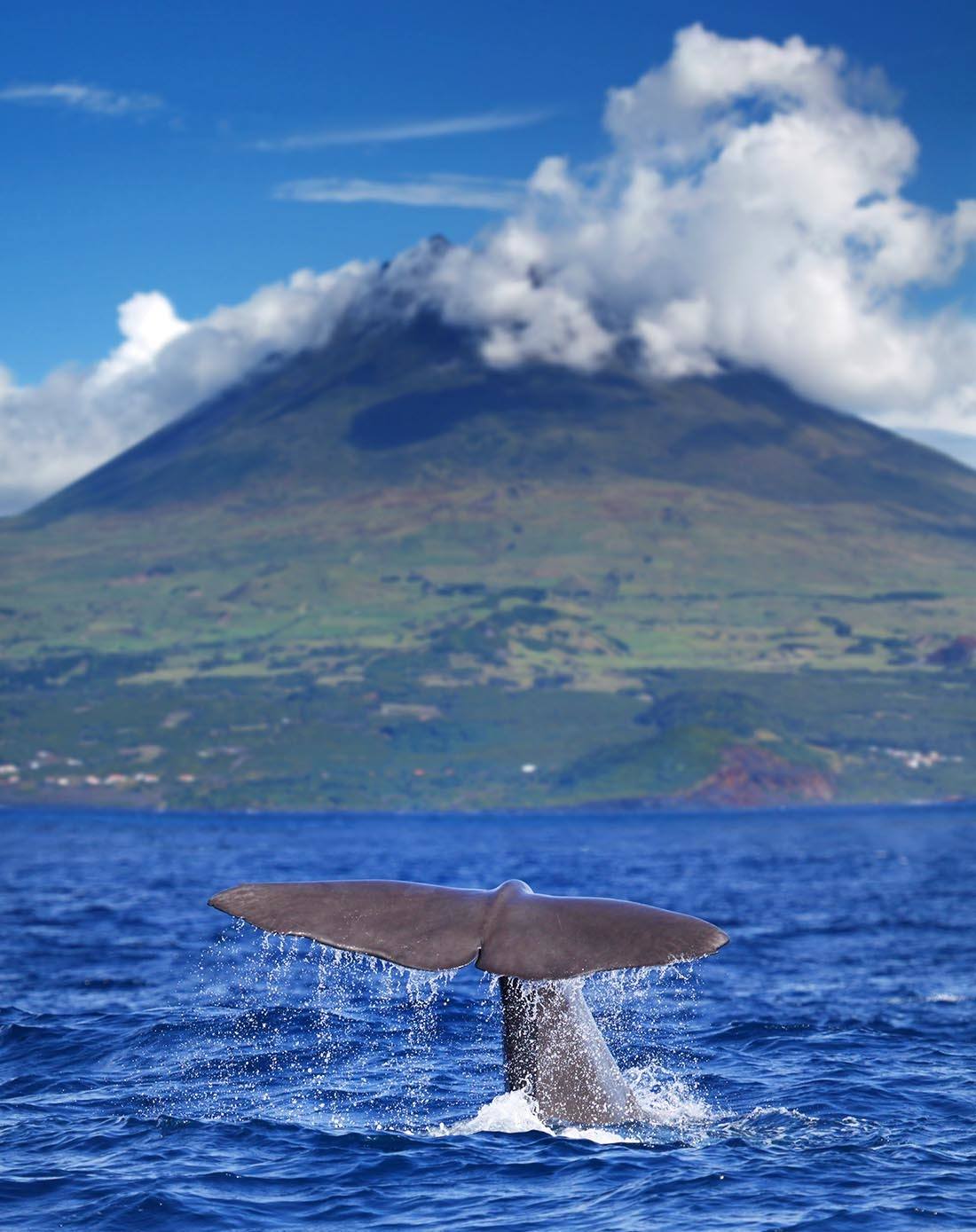
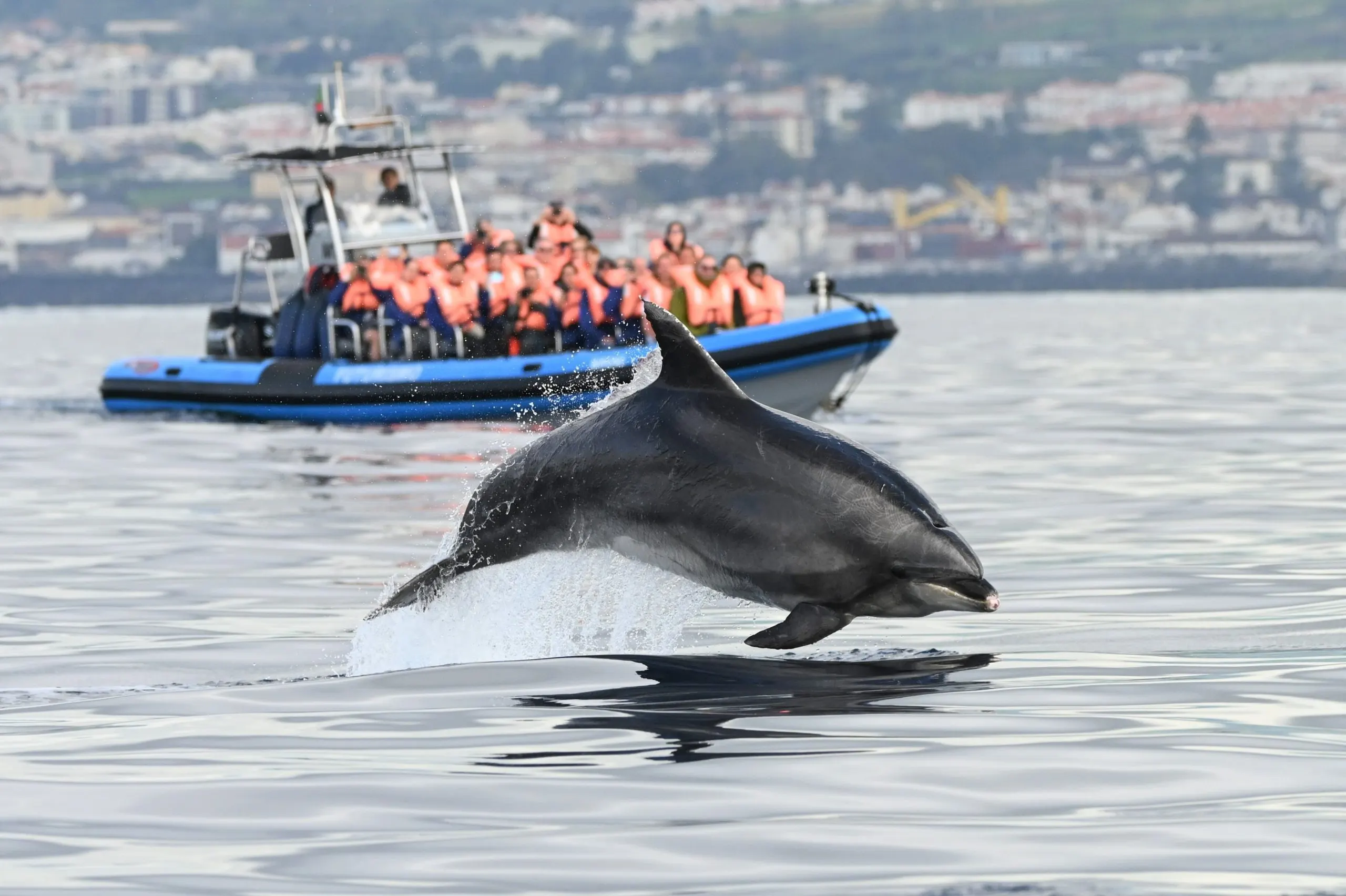
Twenty minutes offshore the engine cuts to idle. Silence settles. The biologist lowers a hydrophone into the Atlantic and plays the amplified clicks through a deck speaker—sperm whale echolocation, rhythmic and metallic, emanating from 400 metres below. You wait. A dark mass surfaces 60 metres to starboard: the broad, square head of a nine-metre female, blowing a forward-angled spout. She breathes eight times over four minutes. The biologist photographs her fluke as she dives, tail flukes spreading two metres across before vanishing. The boat drifts. A pod of common dolphins approaches from the west, bow-riding and leaping in synchronized arcs. You crouch at the gunwale, close enough to see individual scars and dorsal fin notches. The return journey passes volcanic cliffs and terraced hillsides, the boat slowing as it re-enters the marina's calm water at midday.
All the details about your upcoming adventure in one place
The Azores archipelago sits atop the Mid-Atlantic Ridge, where tectonic activity creates nutrient-rich upwellings that sustain one of the planet's densest concentrations of cetacean species.
Twenty-four whale and dolphin species migrate through or reside year-round in these waters, including the world's largest population of sperm whales. São Miguel's south coast, anchored by Marina de Ponta Delgada, became the operational hub for responsible whale observation in the early 1990s, when former whalers transitioned from harpoons to hydrophones and transformed centuries of hunting knowledge into conservation science.
The São Miguel whale watching tour industry operates under strict European Union marine mammal protection directives. Vessels maintain mandatory 50-metre approach distances, engine speeds drop to idle within 200 metres of pods, and tour durations are capped to minimize disturbance. Vigia lookout stations—stone towers built during whaling's commercial peak—still crown São Miguel's coastal ridges. Modern spotters use these historic posts to radio real-time coordinates to boats below, replicating the communication networks whalers once relied upon. This fusion of heritage infrastructure and contemporary ethics defines the Azores model, now studied by marine tourism operators from Iceland to New Zealand.
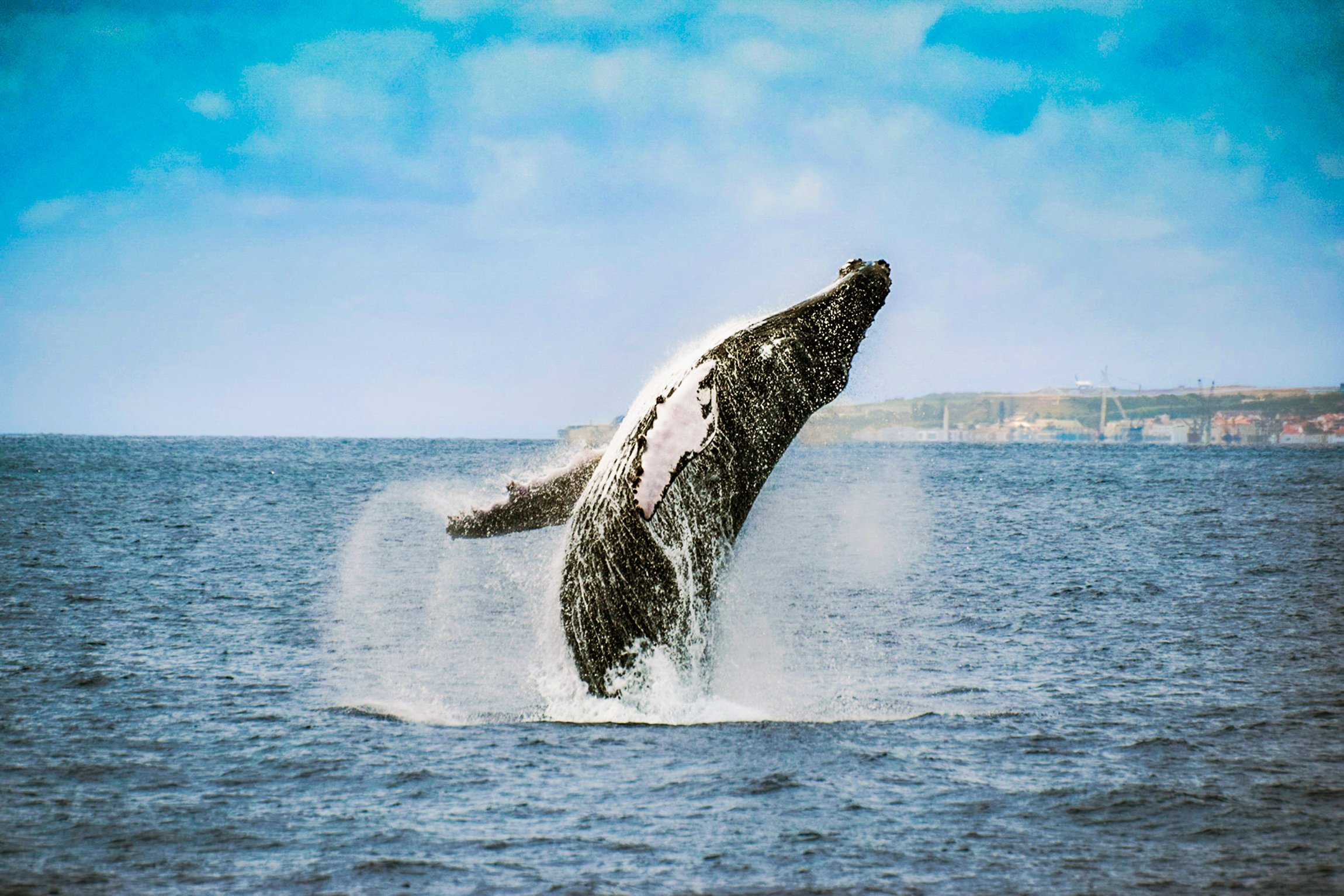
Sperm whales, which dive beyond 1,000 metres to hunt giant squid, surface in predictable patterns off São Miguel's southern shelf between April and October. Resident pods of common dolphins and bottlenose dolphins appear year-round, while seasonal migrants—Risso's dolphins, pilot whales, blue whales—follow the Gulf Stream's northern arc through spring and summer. The Atlantic's deep trenches and thermal gradients create feeding corridors that concentrate marine life within 30 kilometres of Ponta Delgada's harbour. Tour operators deploy rigid-hulled inflatables and catamarans equipped with hydrophones to detect echolocation clicks from depths human eyes cannot penetrate.
Marine biologists accompany the majority of departures, contextualizing behaviour through real-time data collection. Fluke photographs contribute to the Azorean Whale Catalogue, a longitudinal study tracking individual animals across decades. Passengers witness active science: identification, logging, behavioural annotation. The pedagogical model extends beyond sightings to explain thermoregulation, social structures, and the archipelago's role as a global biodiversity reservoir. São Miguel's tours do not merely observe cetaceans; they integrate visitors into ongoing research, transforming recreation into citizen science and ensuring that economic incentives align with long-term species protection.

Twenty-four whale and dolphin species migrate through or reside year-round in these waters, including the world's largest population of sperm whales.
Wear warm, windproof layers even on sunny days as temperatures drop at sea. Non-slip, rubber-soled footwear is recommended for safety on moving decks.
Only small, waterproof backpacks are recommended due to limited storage space. All personal items should be secured during the sao miguel whale watching tour.
Photography is permitted during your sao miguel whale watching tour; ensure your gear is protected from salt spray. Avoid using flash when near marine mammals to prevent disturbing them.
Operators generally require children to be supervised at all times during the excursion. Life jackets are provided in various sizes and are mandatory for all passengers.
Some vessels offer easier boarding than others; please inform operators of specific mobility needs before booking. The marina area is generally accessible, though ramp gradients can change with tides.
Bringing water and light snacks is permitted, but please keep the vessel clean. Consuming food during a sao miguel whale watching tour can sometimes trigger seasickness.
Opening Hours
08:00–19:00
Address
Marina de Ponta Delgada, 9500 Ponta Delgada, São Miguel, Azores
Accessibility
Varies by vessel; contact individual operators for boarding assistance.
Arrival Window
08:30–14:00
Storage
Limited space on vessels; please travel light.
Navigation
Marina de Ponta Delgada
Car · Varies · Paid parking
Follow signs to Ponta Delgada Marina; parking is available nearby.
Taxi · Varies · Metered fare
Request a taxi to Marina de Ponta Delgada for direct access.
Operators typically require cancellations 24 to 48 hours in advance for a full refund. No entrance fee of 0 EUR is charged, but booking fees per activity apply.
Recommended time
3-4 hours
A typical sao miguel whale watching tour lasts approximately three hours, allowing ample time for travel from the Marina de Ponta Delgada into the Atlantic waters where marine biologists identify local cetacean species. Visitors booking sao miguel whale watching tour tours should factor in an additional hour for pre-departure briefings and gear fitting. While operators manage boarding to minimize congestion, securing sao miguel whale watching tour tickets for mid-morning departures helps avoid the peak passenger flow observed as the harbor activity increases. Those considering longer excursions may occupy a half-day, though the standard boat trip is sufficient to experience the archipelago's rich biodiversity.
Crowd levels through the day
Weather · crowds · average price — dots go green to amber to red as each metric rises.
April to June is excellent for blue whale sightings as they migrate past the islands.
July to September offers the most stable sea conditions and warmer temperatures for your sao miguel whale watching tour.
October brings a higher chance of seeing various migratory species while crowds begin to thin.
Take motion sickness medication at least one hour before your sao miguel whale watching tour starts. Consult your pharmacist regarding appropriate dosages.
Marina de Ponta Delgada, 9500
Report here for all sao miguel whale watching tour departures
Get directionsThe Azores whaling industry began in 1832 when American whalers recruited islanders as crew, teaching them to hunt sperm whales from open boats. By the 1870s, São Miguel operated shore-based whaling stations at Capelas, Rabo de Peixe, and Caloura. Vigias—stone lookout towers—dotted the coastal cliffs, where spotters scanned the Atlantic for spouts and signaled boats with flags and rockets. The hunt was brutal and intimate: crews of seven rowed wooden botes into the open ocean, harpooning whales by hand in a tradition that persisted unchanged for over a century. Commercial pressure collapsed the fishery by the 1980s. Portugal banned whaling in 1987, ending 155 years of blood economy. Former whalers faced unemployment until a German biologist proposed an alternative in 1989: watching whales instead of killing them. The first sao miguel whale watching tour launched in 1991 from Ponta Delgada, repurposing the vigias as research stations and converting fishing boats into passenger vessels. Skeptical harpooners became naturalist guides, translating survival knowledge into conservation tourism. Today the waters host 28 cetacean species year-round, including sperm whales, blue whales, and resident pods of common dolphins. The vigia network, once a killing infrastructure, now feeds real-time sightings to tour operators via radio. Marine biologists accompany sao miguel whale watching tour tours, collecting photographic data for long-term population studies. Operators follow strict approach protocols established in 2003 to minimize disturbance. The transformation from extraction to observation redefined the archipelago's relationship with its marine fauna, turning former hunters into the whales' most vigilant protectors.
American whalers recruit Azorean crews, introducing open-boat sperm whale hunting to São Miguel.
Shore stations at Capelas, Rabo de Peixe, and Caloura formalize whaling as an industrial economy.
Portugal bans commercial whaling, ending 155 years of cetacean hunting in Azorean waters.
First whale-watching tours depart Ponta Delgada, converting former whalers into naturalist guides.
Azores government establishes approach protocols to regulate whale-watching vessel behavior and protect cetaceans.
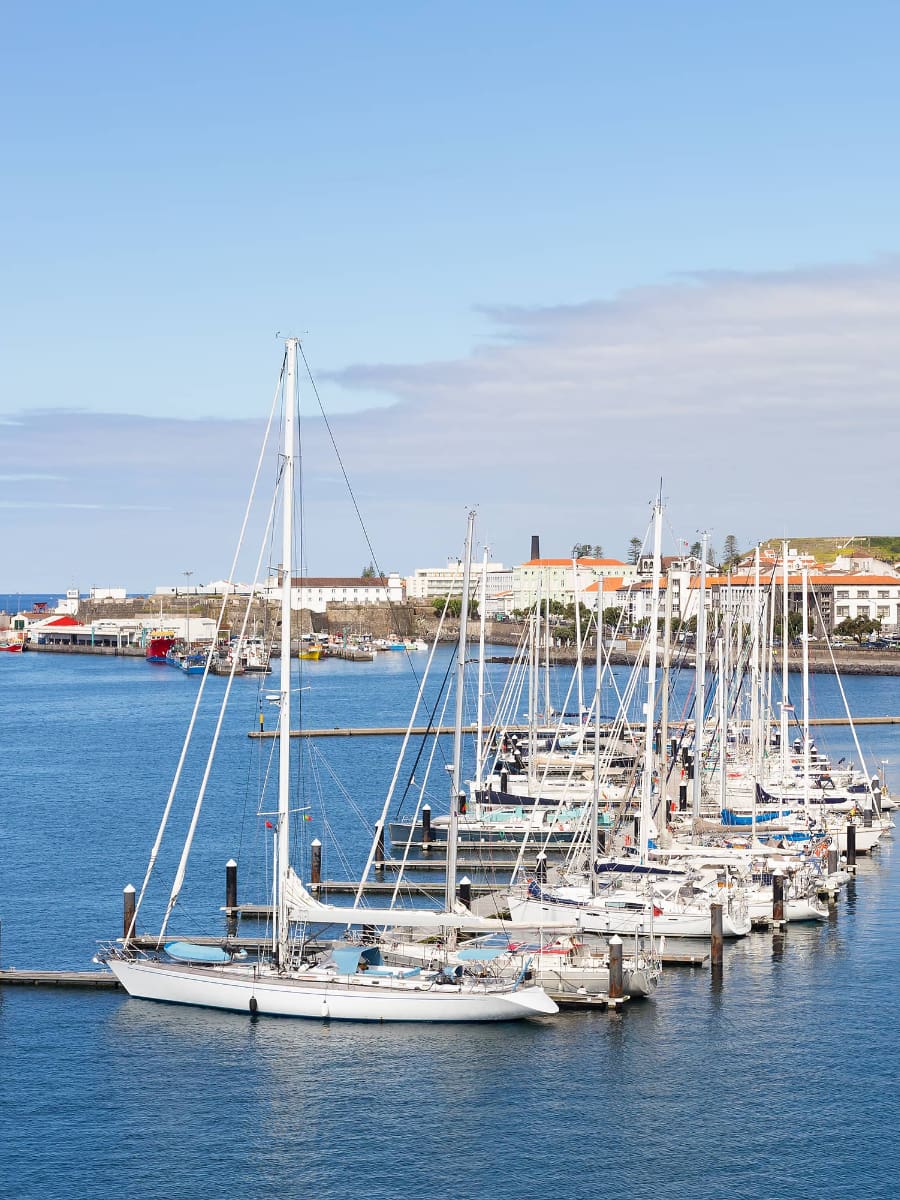
Stand at the edge of the floating docks to capture the colorful hulls of zodiacs and catamarans against the deep blue Atlantic horizon. This location is ideal for your sao miguel whale watching tour before the vessels depart.
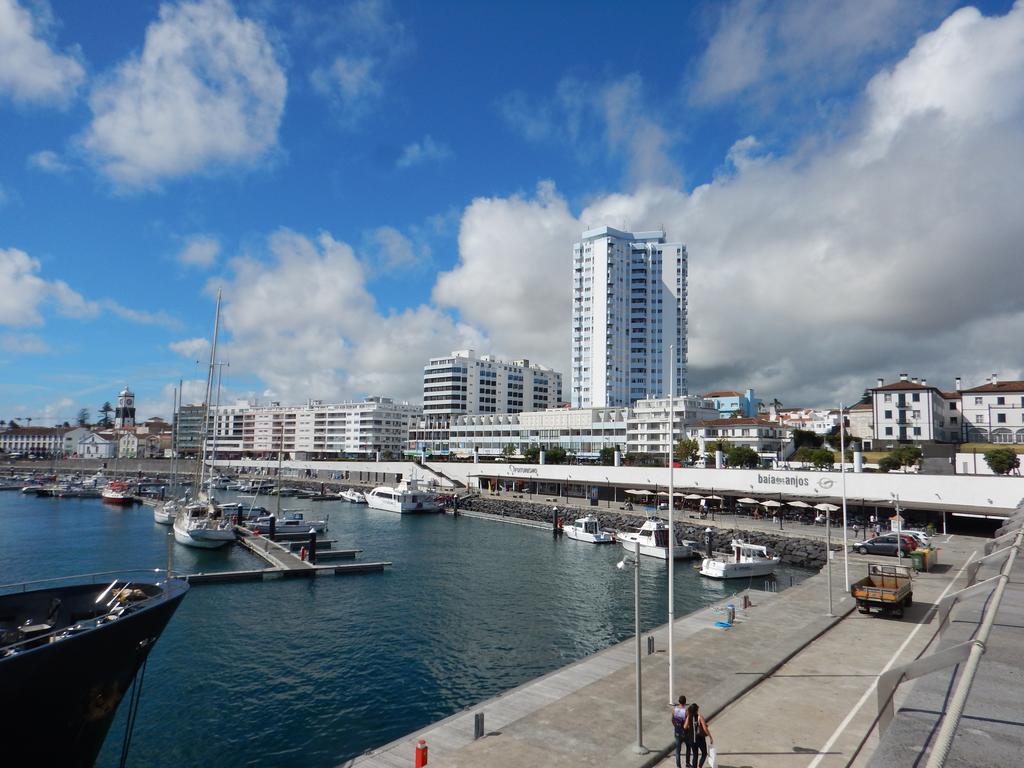
This elevated walkway offers a wide-angle perspective of the entire harbor basin and incoming maritime traffic. It is a prime vantage point to photograph the departure of sao miguel whale watching tour tours.
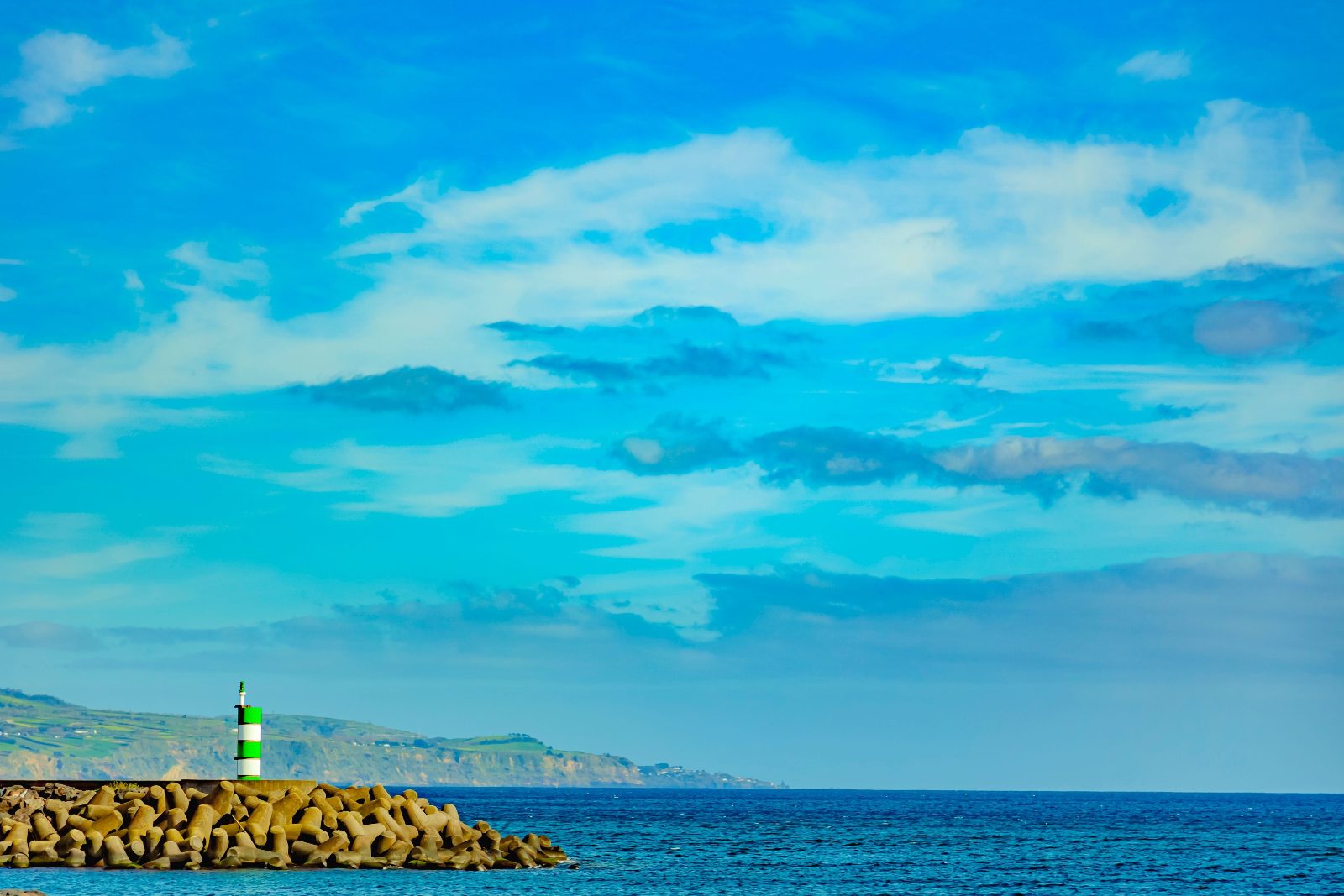
Walk along the long concrete wall to capture the juxtaposition of the town skyline against the open ocean. This spot provides a clean background for shots of marine biologists boarding the sao miguel whale watching tour tour vessels.
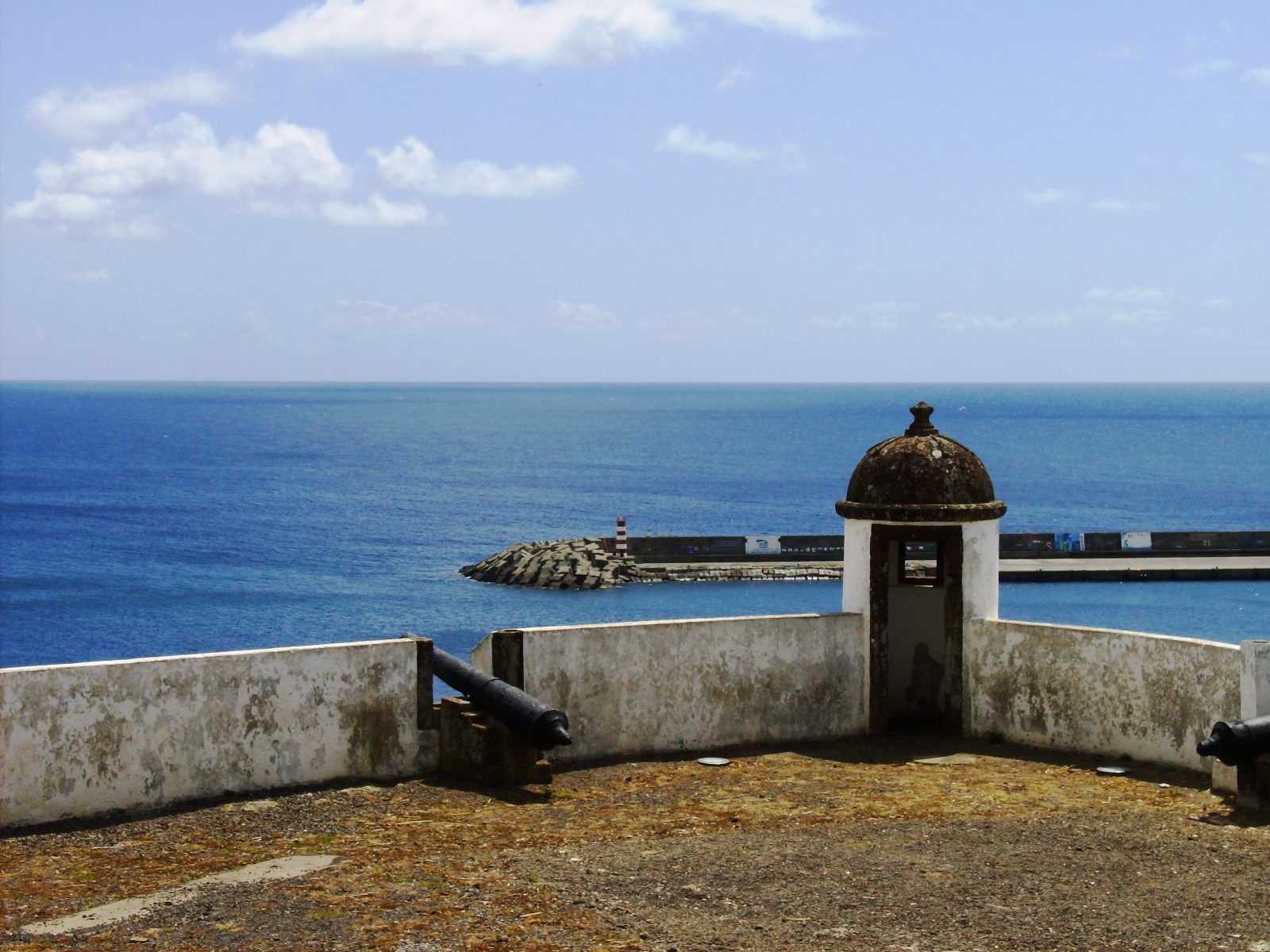
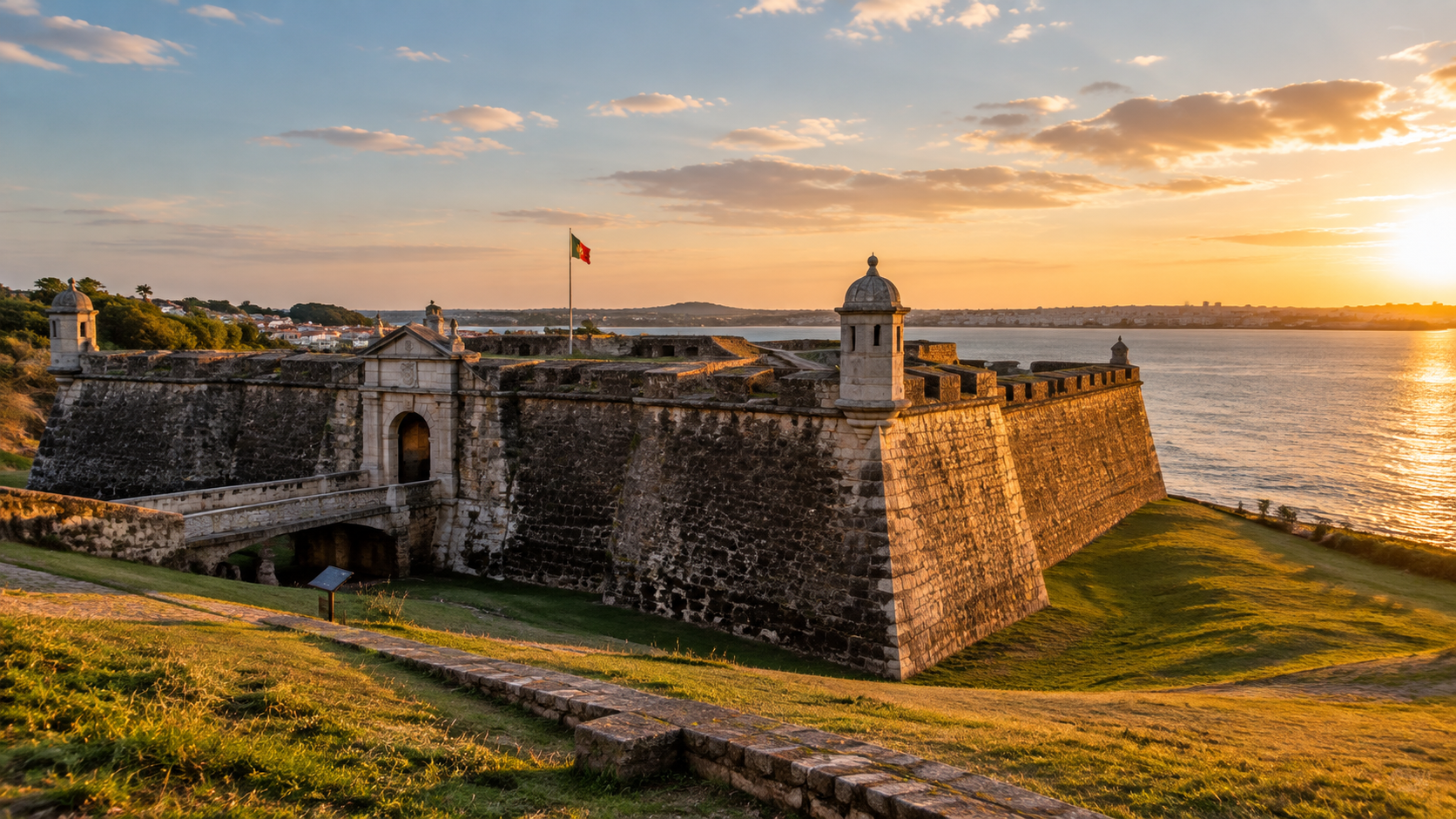
From the historic ramparts of this 16th-century fortress, you can frame the marina entrance and the rugged coastline. It is a strategic location to secure sao miguel whale watching tour tickets while scouting the sea state.
Embarking on a sao miguel whale watching tour allows families to observe marine life in their natural Atlantic habitat. These excursions provide children with a unique perspective of the ocean ecosystem near the Azores.
Most operators recommend these boat trips for children aged six and older due to the unpredictable nature of open sea travel. Younger children may find the ride on a zodiac or catamaran challenging during choppy conditions.
The departure point at Marina de Ponta Delgada does not offer dedicated changing rooms, so ensure your family is prepared before boarding for your sao miguel whale watching tour tours.
Consult your pediatrician about motion sickness prevention before booking your sao miguel whale watching tour tickets, as the motion of the vessel can be significant for sensitive travelers.
Encourage children to use binoculars and participate in spotting marine mammals, which helps keep them focused during a sao miguel whale watching tour tour. The search for dolphins and whales becomes an interactive game for young explorers.
Strollers cannot be used on board most vessels, so a baby carrier is a more practical choice if you have a toddler in your group. Please contact your specific operator to confirm their individual safety requirements for children.
The Marina de Ponta Delgada offers several convenient dining spots perfect for refueling after your sao miguel whale watching tour. You will find a variety of eateries within a short walk of the harbor, serving fresh local seafood and casual snacks suited for pre- or post-excursion meals.
Located right at the docks, this spot is ideal for a quick sandwich or coffee while checking your sao miguel whale watching tour tours schedule. It offers outdoor seating with clear views of the harbor activity.;Casa da Marina
Everything you need to know for your journey
Operators maintain a daily schedule from 08:00–19:00 to accommodate various departures.
Yes, most operators welcome families, though children must be supervised and wear provided life jackets throughout the sao miguel whale watching tour.
Yes, refunds are typically available if you provide notice 24 to 48 hours prior to your booked sao miguel whale watching tour.
We recommend arriving between 08:30–14:00, as morning and early afternoon tours offer better sea conditions and visibility for your sao miguel whale watching tour.
Yes, photography is encouraged, but please be mindful of your equipment near salt water during your sao miguel whale watching tour.
There is a 0 EUR entrance fee, as costs are determined by the specific operator and activity selected for your tour.
If a sao miguel whale watching tour is canceled due to poor weather, operators will typically offer a reschedule or refund.
The tour departs from the Marina de Ponta Delgada, 9500 Ponta Delgada, which is accessible by car or taxi.
Yes, you may bring water and snacks, but please avoid glass containers and keep your area clean during your sao miguel whale watching tour.
Historic city gates serving as an iconic entrance to the city center.
A military fortification dating back to the 16th century.
Features historic architecture and well-maintained public gardens.
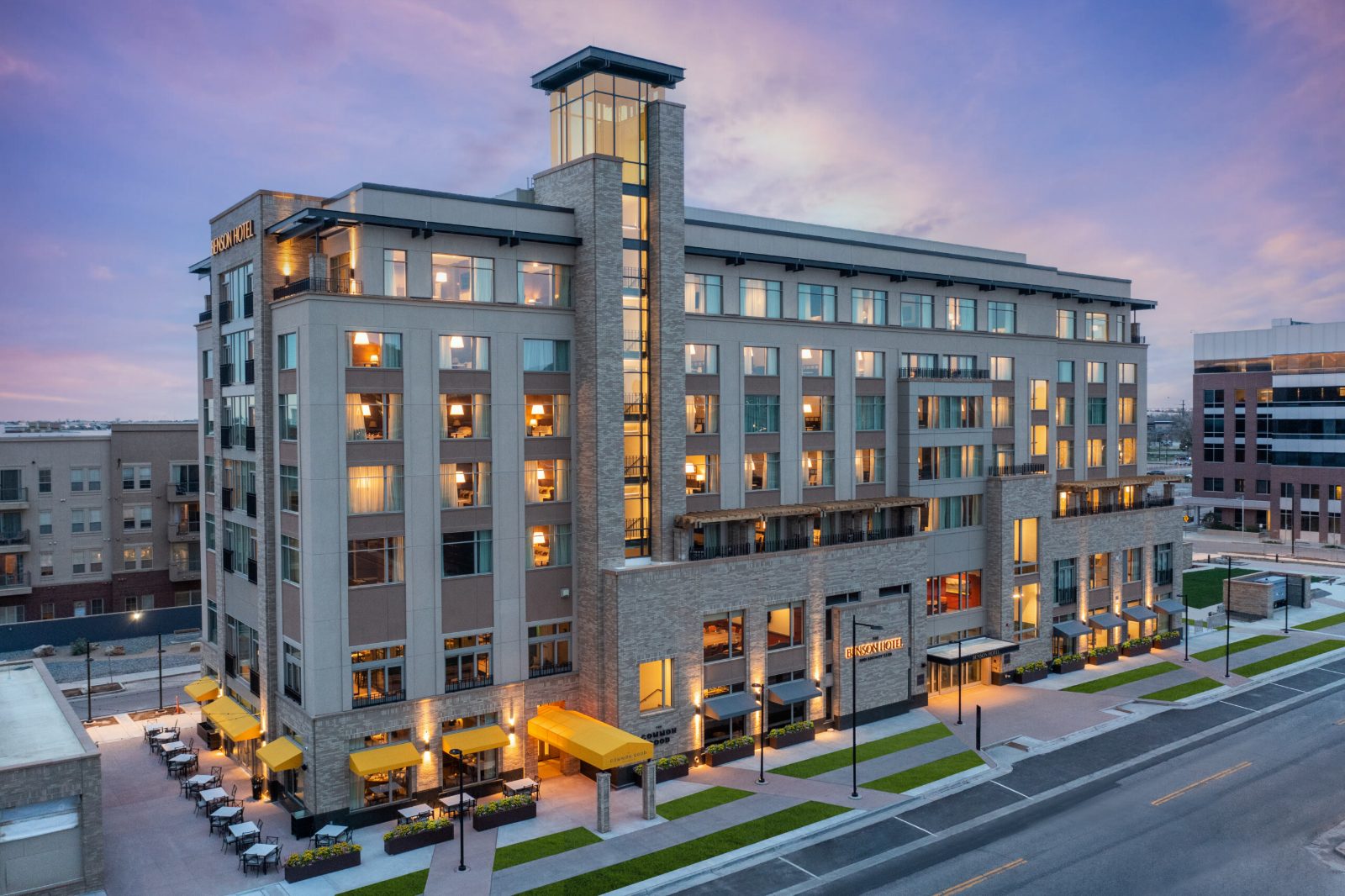
Waterfront hotel offering rooms with ocean views.
Convenient location for exploring local dining options.
Join thousands of happy travelers who have discovered this incredible experience
Book Your Experience Now